Oct 21, 2026
What does it take for women to reach the C-suite in healthcare IT? Renee Fosberg, Senior Vice President and Chief Digital Officer at Emerson Health,…



What does it take for women to reach the C-suite in healthcare IT? Renee Fosberg, Senior Vice President and Chief Digital Officer at Emerson Health, joins us on The CereCore Podcast to share the career moments, mentors, and mindset shifts that shaped her path to executive leadership. Renee discusses how stepping up during times of uncertainty led to every major promotion in her career, why the strategic evolution of IT is creating new opportunities for women in healthcare, and the three things aspiring leaders should be doing right now to advance. She also shares her approach to mentorship, the power of professional networks, and what senior executives should look for in the next generation of healthcare IT leaders.

Key topics: Women in healthcare IT leadership, career advice for aspiring CIOs and CDOs, mentorship and sponsorship in healthcare, executive leadership skills, digital transformation and AI in healthcare, community hospital leadership
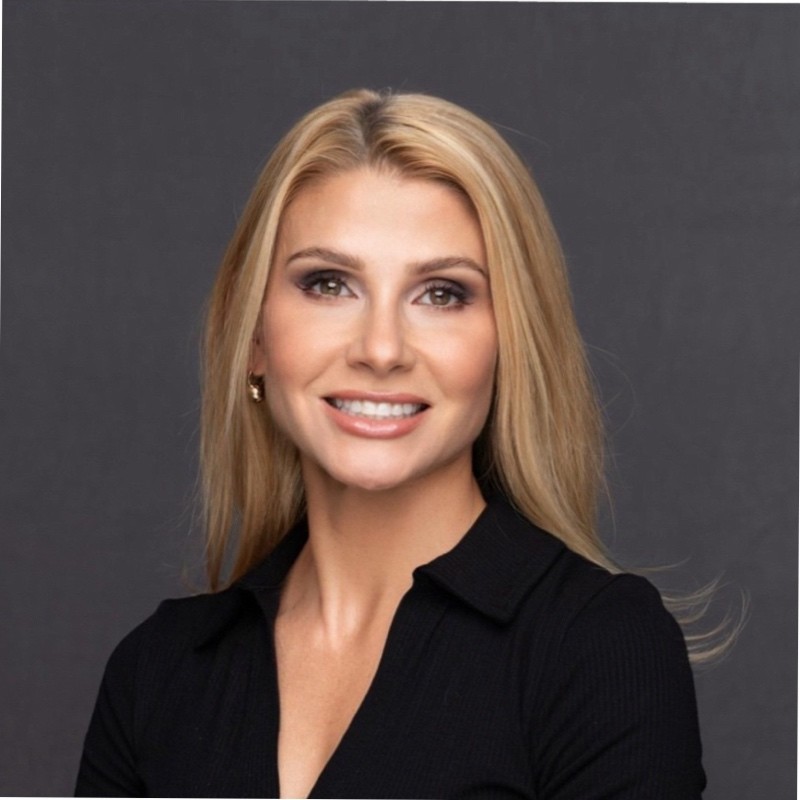
Connect with Renee Fosberg, Senior Vice President and Chief Digital Officer at Emerson Health.
Renee Fosberg:
Say yes and figure it out. Take that risk. Go for the opportunity, whether it's a new job, whether it's an opportunity to speak at an event or ask a question when you're at a conference and you've just heard keynote, just jump in, say yes, and you'll figure it out.
Devin Dow:
This is the CereCore Podcast. I'm Devin Dow, director of MEDITECH professional services with CereCore. Today, we're getting into what it looks like for women to lead in healthcare IT. Joining me is Renee Fosberg, Senior Vice President and Chief Digital Officer at Emerson Health.
Renee led the integrations of Emerson Health's affiliated physician practices onto a single EHR platform, and has helped the organization earn repeated CHIME Most Wired designations and a 2026 National ORBIE Award Healthcare Finalist Recognition. She's also been named one of Becker's Women in Healthcare IT to watch and is an active advocate for women in healthcare leadership. Renee, welcome to the podcast. We're so glad you're here with us today.
Renee Fosberg:
Hi everybody. Thanks for having me.
Devin Dow:
So a lot of times in these podcasts, we like to get into a little bit of the background of where your career started and what has changed throughout your path and your career. So if you're taking a look back at your path to becoming the chief digital officer, where were there particular moments or maybe turning points that have changed the direction of your career? Can you pinpoint maybe some moments for us that your trajectory has shifted?
Renee Fosberg:
Yeah, I would say that when I look back at those turning points, it's always been associated with me stepping up during times of uncertainty. There's always change in healthcare. It's been that way since the beginning of my career. And when leaders have left organizations that I've worked for, I've always offered my help and I've taken on the extra work to help get through a transition. And that without fail has led to my promotions and it's ultimately what led me to become chief digital officer here at Emerson.
Devin Dow:
Amazing. Yeah. I think a lot of times we hear if you're doing the job before you're doing the job, that really helps. And it's great to hear that you've been adaptive. I think that's a great quality to have. So thank you for pointing that out. I'm sure that will help a lot of people in their careers kind of think about how they're doing their jobs and what they can step up to do. So if we're looking back at the beginning when you started in your journey here, what did women in leadership look like at that time?
Renee Fosberg:
Well, I'm really going to take us back and I'm going to preface this with, I see myself as a healthcare professional before a technologist and my undergraduate degree is in healthcare management and policy. And from the very beginning, I've always wanted to work at a hospital. So I entered in through information systems and that's how I've aspired in my career. I've just stayed in IT ever since. And when I started the CIO title, it wasn't common. So you would see IS directors. And from the beginning I was actually hired by a female IS director. It was at St. Elizabeth's Medical Center in Brighton. And I've seen the collaborative style that women have, the initiative they take, their organizational skills and their ability to build strong teams and strong working relationships. And I've seen how that skill has allowed them to also advance in their career. So I've been very fortunate.
I also think on the provider side of healthcare, we have a unique culture because women make up a substantial share of the healthcare workforce. So there's just greater representation, I think, in healthcare and women's leadership and opportunities for women maybe more so than other industries.
Devin Dow:
Yes, that's a great point. I think coming from my background being a nurse too, I've seen that as well. So being able to have the space to allow women to grow as well as men have kind of that even a team I think shapes a well-rounded industry. From there, have you seen any changes from the start to where we are today? Is there anything significant or difference that you've noticed in women leadership?
Renee Fosberg:
Well, I think the role, I bring it back to the role that IT plays in an organization. I think it's more strategic. And with that, I think CIOs are now having a seat at the table. They're part of the senior leadership teams. They're reporting to CEOs. They're in board meetings. They're pivotal to strategy. So I think the role is changing just because of how integral IT and digital is to an organization. But those skills, those skills that I had mentioned early on, the collaboration, the relationship building, the organizational skills, all of those skills still transcend today.
Devin Dow:
Yeah, that is a great point. I think IT and today, like you were saying, has a large impact in the way healthcare is run. Obviously funding is a big part of that too. So it's great that the CIO positions are now at those tables and having that impact is really important. That's a good point. From here, you've been involved in women in healthcare organizations and advocacy work. What really drew you to that work?
Renee Fosberg:
Well, I say it runs in my blood. I've always had a passion for women's studies. It's a concentration that I have had as part of my undergraduate degree. I've always loved hearing about prominent female figures throughout history. And I'm also passionate about women's healthcare. So I'm just naturally drawn to organizations that promote and support and mentor women in the advancement of their careers. It's just something I think that happens organically and we always find each other in conferences or it's a connection on LinkedIn and it's a great network and opportunity to be part of these organizations.
Devin Dow:
Is there anything you'd like to talk about both personally and professionally when it comes to that?
Renee Fosberg:
I have met some really remarkable people, both men and women in these networks, and some of these people have become my lifelong friends. I think professionally, having a network like this allows me to have trusted advisors and people who I can call for perspective to get that honest feedback that you need and also to have people who have your back and who can encourage you to take a risk that you otherwise wouldn't do. There's a saying, sometimes it's lonely at the top, but I've never felt alone because of the strong network and the people that I have around me that I can talk to understand my challenges and we can all celebrate our successes and see the possibilities that we may not otherwise see for ourselves.
Devin Dow:
Yeah, absolutely. I think sometimes, like you're saying, maybe giving someone the permission or helping them build the confidence to really understand where they can grow and what talents they have, for me personally, have made a huge impact in my career. So it sounds like you've been able to have that in your career as well. So that's great to hear. I think another thing too is sometimes people think that their direct reports are really their mentors, but like you're saying, our mentorship can be diverse both within our company and other roles and then throughout our whole industry, which is really great. So thank you for being a part of that. So you've had mentors who have shaped your trajectory, right? What has that support looked like and is there something you'd take as steps to pay that forward as well?
Renee Fosberg:
Well, I haven't had this gladiator fight to the top. I have always had people who I've worked for who have supported my career development. And just this one story, early on at Emerson, I had worked for a CFO and he was leading Emerson through transition. And this was one of the examples where I had stepped up and I said, "Let me help you. I can take on these responsibilities while you work through what you want to do long term." That ended up as a promotion for me to senior applications director. I was in that role for about a year and in my performance appraisal that I had with this individual who was a man, he said, "Renee, I think you have what it takes to be a CIO."
And prior to that, I had never even thought that was a possibility. It was never something that I had aspired to. And when he suggested it, it actually scared me. I'm like, "No, I can't do that. I don't have the skills to take on the technology side of it." But then I got to thinking about it and the thought grew on me and I came back to him. It was several months later and I said, "You know what? You're right and I want this opportunity." And together, he and my CEO at Emerson had really put the steps in place to allow for me to develop the additional skills that I needed to fill those gaps and what led me to being in the position that I'm in today.
So what that looks like for me is paying it forward and also supporting from within. And when there are people who are hard workers, who are reliable, who can show the aptitude to take on more, I love promoting from within. And I have a very tenured team of people who have risen through the ranks, help desk resources going into engineering positions, managers going into directors. So it's something that I love paying forward within my own team.
Devin Dow:
I love that. That's great to hear. Is there anything that you've particularly done or you know have particularly happened where someone has advocated for you in a room that you're not in, or maybe you've done that for somebody else? I think that's a great thing to kind of talk through when you're not there, what happens?
Renee Fosberg:
Yes. Well, my CEO is my biggest champion and she is somebody who never, ever, ever misses the opportunity to recognize my contributions, the work I'm doing and mentioning a word that I've received. She does that within our organization. She does that to our board and she does that with her colleagues. And I don't think we should ever underestimate how powerful something like that is because our industry and our organizations are incredibly connected and word of mouth really matters.
Devin Dow:
It really does. Yes. That's great to hear. For maybe some women that are below the C-suite right now, is there anything that you would give them for advice as to how to maybe become a CIO one day?
Renee Fosberg:
Yes. I would say you can always boil things into three items. I would say first, seek out opportunities that are bigger than your own department, volunteer to be on projects that are cross-functional initiatives so that you can get that exposure longitudinally to your organization across the clinical, the operational, the financial areas. I think those types of projects are really important. I think second is to understand your organization's strategy, what your organization's yearly plans are. If you don't know what it is, ask for it and understand what you're doing and how that maps back to the strategy. And I think the third is to always try to be visible, to raise your hand, ask questions in meetings and to join committees, subgroups, do presentations, performance improvement initiatives, find those opportunities to speak and showcase the work you're doing.
Devin Dow:
That's great advice. I think, like you're saying, being able to know more about different departments, to be able to have a bigger impact across different departments and then overall the strategy of an organization is really important. So the more you learn about every area, the greater impact you can have, which is really great. And then from there too, what would you say to somebody who may be a little bit uncomfortable being visible? Is there any advice? I'm sure that's probably very common. A lot of people don't like to take the credit or have the focus on them. Is there anything that's helped you in that area?
Renee Fosberg:
Yes. I would say that is me. I'm naturally an introverted person, so these kind of things don't come easy for me. So what I've learned over the years is to say yes and then think through it later. You will figure it out and don't wait to be perfect. You're never going to have the checklist of things that get you to perfection fully completed. So say yes and figure it out, jump in and you'll do a great job.
Devin Dow:
Yeah, that's great advice. I think too, a lot of times people don't like to speak about all the work that they're doing because they don't like the focus on themselves, but I think sometimes people don't know what you're doing unless they tell you. So to be able to continue to have an impact, I think that's really important to highlight the work that we're doing so others can [inaudible 00:15:38]-
Renee Fosberg:
Yeah. And it's great promotion for your organization as well to showcase what's happening there. So it's not necessarily about self-promotion, it's about the brand of your organization and talking about a project you've done, what you've learned. People like hearing from speakers who are authentic, who talked about how they solved a problem or talking about a problem that still exists. There's some validation in that as well.
Devin Dow:
Absolutely. What are you hearing from women in healthcare IT today that maybe senior executives should be paying a little bit more attention to?
Renee Fosberg:
Well, I really think we're at an inflection point right now with the advancement of digital and AI. And I think the landscape is changing and the pace of change is unlike anything we've ever experienced before. So I think senior executives shouldn't necessarily be looking for those things that maybe they looked at that worked in the past, having really tenured leaders with deep experience. I think that the leader of tomorrow is somebody who is curious, somebody who can ask questions, somebody who can challenge the status quo, have that creativity. Technical expertise is always going to matter, but those softer skills I think are going to become more and more important as we look to what IT is going to look like tomorrow. And I think that that creates a lot of opportunity for women because those are skill sets that we sometimes just naturally possess.
Devin Dow:
Absolutely. Another exciting thing going on for you and your organization is the Chime Fall Forum. So you'll be speaking on a panel about women transforming healthcare IT. I'm sure that may be something that was one of those stretch assignments for you if you're not naturally someone that is really looking to take the spotlight, but I did want to point that out. Is there anything that you're looking forward to with that panel or any other panel or organizational representation assignment you've done?
Renee Fosberg:
Well, so you're right. So I'm on this panel and sometimes I think, well, because I'm a CIO, a CDO in a community hospital, I might not have the same things to say that a CIO in a large health system would, but here's where my great network comes in. And smaller organizations collectively, whether we're community hospitals, rural access, provider groups, we actually represent a majority of providers across the country.
So being able to speak about the impact that upcoming policy is going to have on organizations like mine, I think there are people in the audience who can benefit from that and it's good to send the word and the message about what this means for organizations that are like Emerson. Absolutely. It's not all about the big large hundred hospital health system. It is too, but we have a seat at the table and it's important that providers and smaller organizations understand what's about to happen and the impact that it could have.
Devin Dow:
Absolutely. And being able to build that network across the country with other small healthcare organizations is something that we might have to work a little harder to do because it's not naturally in our infrastructure. So thank you for being willing to share the knowledge that you have to other organizations. I think that's great. We'll very much be looking forward to in that panel at Chime in the fall. So from your perspective, we're making progress in women in leadership. Is there any areas that you think that we're still falling short?
Renee Fosberg:
Well, there is a lot to celebrate. I think just going back to my career and the support and the early leaders that I had the opportunity to work for and the fact that I didn't have a gladiator fight to the position that I'm in today, it was through support and mentorship of both women and men. And we are seeing women in leadership roles, but I wish it wasn't such a novelty. I wish that we someday could get to a point where a woman being a CEO or COO or CIO isn't remarkable because she's a woman. It's just remarkable because she's an exceptional leader.
Devin Dow:
Absolutely. Do you think that there are any unwritten rules of executive leadership that maybe you wish someone would have told you earlier in your career?
Renee Fosberg:
Yes. So one of the things, if you've ever done a Myers-Briggs and how your personality is, your personality traits and your skills. So I'm a logical person and having technical skills and being able to explain something from beginning to end, I love doing that. And I think for many of us, our career early on is built on that technical acumen and being the subject matter expertise. But when you go into executive leadership, you cannot bring your colleagues into the weeds of an issue. I think it's important when you're an executive leadership role that you're able to develop a skill to clearly communicate something that's really complicated in the most simplistic terms. I think that that's very important.
I think that by doing that, you're able to influence and drive decisions towards where you'd like to see them go. I think relationship building is extremely important when you're in an executive leadership role. And you also have to have good judgment because you have a lot on your shoulders, a lot of decisions to make, and having that good judgment is extremely important.
Devin Dow:
Absolutely. Yeah. Thank you for sharing that. That is all very good advice. I'm sure our audience will be very grateful to hear that and use that in their career moving forward. Renee, is there any last topics or items you'd like to discuss? Any last advice you'd like to share with our audience?
Renee Fosberg:
Well, I would just like to go back to one of the things I spoke about earlier is just say yes and figure it out. Take that risk. Go for the opportunity, whether it's a new job, whether it's an opportunity to speak at an event or ask a question when you're at a conference and you've just heard a keynote, just jump in, say yes, and you'll figure it out.
Devin Dow:
Yes, absolutely. Everyone's always had their first time doing something, so that's where we get the opportunity to learn more and become better at it. Absolutely. Thank you so much, Renee. It has been a pleasure speaking with you today. We wanted to thank you for this great conversation.
And if there's anything that our audience would like to connect further about via LinkedIn, feel free to join us on LinkedIn or cerecore.net and we would be happy to connect with you further and connect with Renee further. We'd love to hear any topics our audience would like to dig into more in the future. Thank you again, Renee.
Renee Fosberg:
Thank you.
What does it take for women to reach the C-suite in healthcare IT? Renee Fosberg, Senior Vice President and Chief Digital Officer at Emerson Health,…
For more than 25 years, Dr. Darin Brannan has used healthcare technology to help children with complex medical needs reach their potential. In this…
Hector Rodriguez brings a different kind of resume to healthcare IT leadership. Before joining Humboldt Park Health as Vice President of IT in 2022,…
Let us know how we can support your initiatives and take some of the heavy lifting from healthcare IT.